Mastering Ornamental Shapes for Professional Graphic Design and Formal Invitations
In the realm of visual communication, the distinction between a standard layout and a masterpiece often lies in the subtle details. Among these details, ornamental shapes serve as the architectural framework that guides the viewer’s eye, establishes hierarchy, and imparts a sense of occasion. Whether you are designing a wedding invitation, crafting a formal certificate, or creating high-end branding materials, the strategic use of symmetrical, decorative elements can elevate your work from functional to exceptional. These designs are not merely decorative; they are essential tools for framing content, adding weight to typography, and conveying a tone of elegance and professionalism.
The Strategic Value of Symmetrical Design Elements
Symmetry has long been associated with beauty, balance, and order. In graphic design, utilizing symmetrical ornamental shapes provides an immediate sense of stability and formality. This is particularly crucial when working on projects that require a dignified or celebratory tone, such as wedding stationery, gala invitations, or corporate awards. When a design is perfectly balanced, it reduces cognitive load for the viewer, allowing them to focus on the core message—be it the names of the couple, the date of an event, or the title of an achievement.
Professionally created symmetrical designs act as a visual anchor. They help to formally frame your future clean creations, whatever they may be, by providing a defined boundary within which text and other graphical elements can reside. This framing effect is vital for maintaining readability while simultaneously enhancing aesthetic appeal. Without such structures, text can appear floating or disconnected from the overall composition. By integrating these shapes, designers create a cohesive unit where every element supports the others, resulting in a polished and intentional final product.
Enhancing Wedding Invitations and Formal Cards
The wedding industry is perhaps the most prominent sector where the demand for high-quality ornamental assets is highest. Couples and professional stationers alike seek designs that reflect the gravity and joy of the occasion. Ornamental shapes ideal for wedding invitations often feature intricate scrollwork, floral motifs, or geometric patterns that echo traditional craftsmanship. These elements do more than decorate; they set the expectation for the event itself. A heavy, baroque-style frame suggests a black-tie affair, while lighter, airy flourishes might indicate a garden party or a modern minimalist celebration.
Beyond weddings, formal card making encompasses a wide range of applications, including graduation announcements, retirement parties, and official ceremonies. In these contexts, the credibility of the design is paramount. Using professionally created resources ensures that the lines are crisp, the curves are smooth, and the overall composition adheres to principles of good design. Amateur attempts at creating complex ornaments often result in uneven weights or awkward spacing, which can detract from the perceived value of the invitation. By leveraging pre-designed, high-quality assets, creators can ensure a level of sophistication that resonates with recipients.
Digital Workflow: Integrating Procreate Brushstrokes
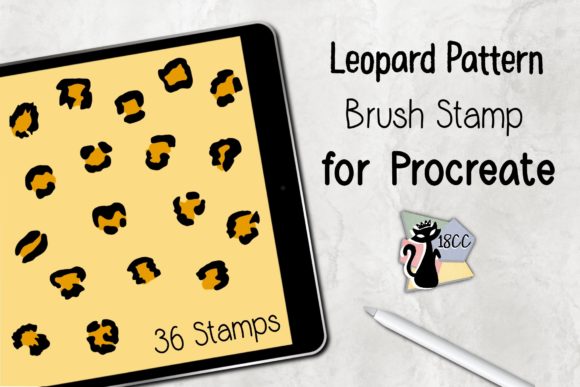
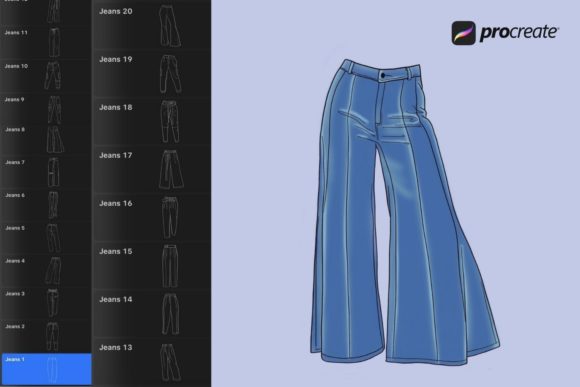
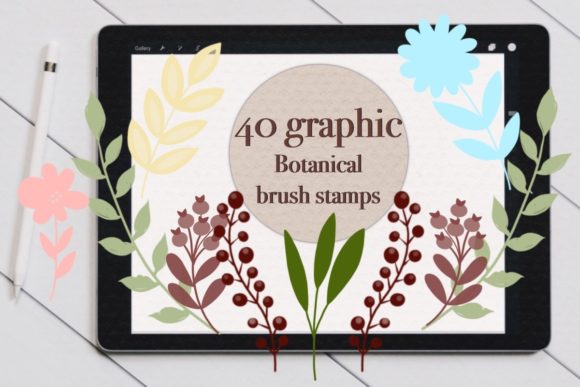
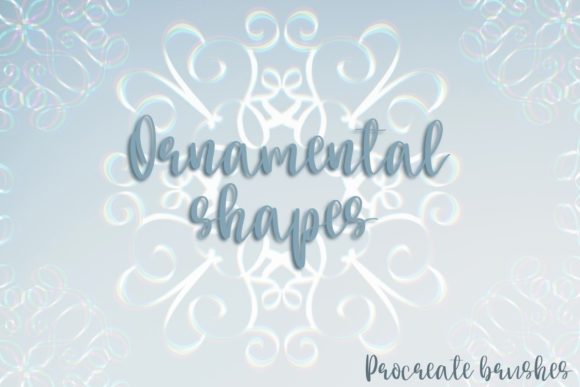
The transition from traditional hand-drawn ornamentation to digital design has revolutionized how creators approach these elements. Today, efficiency and flexibility are key, and digital tools like Procreate have become indispensable for modern designers. The inclusion of specific file types, such as Procreate Brushstrokes (.brushset), allows for a dynamic workflow that static images cannot match. Unlike a PNG or JPEG, which is fixed in position and color, a brushset enables the designer to paint ornaments directly onto the canvas, adjusting size, opacity, and color in real-time.
To access these brushes, users need software compatible with Procreate on iOS and iPadOS. This ecosystem offers a tactile experience that mimics traditional drawing, making it easier for artists to intuitively place and adjust ornamental shapes. The ability to stamp, rotate, and modify these shapes on the fly means that no two designs need to look identical. This variability is crucial for creators who wish to maintain a unique voice while using standardized resources. It bridges the gap between the consistency of stock assets and the uniqueness of custom illustration.
Expanding Your Graphic Design Collection
For professionals, hobbyists, and educators, building a robust library of design resources is an investment in productivity. These professionally created symmetrical designs are the perfect resource to add to your graphic design collection. Having a diverse array of ornamental shapes at your disposal means you can respond quickly to client requests or personal projects without starting from scratch. This collection becomes a toolkit that supports a wide variety of styles, from vintage and rustic to modern and sleek.
Moreover, these assets are not limited to print media. In the digital age, ornamental shapes are increasingly used in web design, social media graphics, and digital presentations. A well-framed quote on Instagram, a decorated header on a website, or a stylized background for a video thumbnail can all benefit from the addition of high-quality ornamental elements. By incorporating these shapes into your digital workflow, you expand your service offerings and enhance the visual impact of your online presence.
Practical Applications Across Industries
The versatility of ornamental shapes extends far beyond the realm of invitations. Educators can use them to create engaging worksheets and certificates that motivate students. Researchers and authors can utilize them to design book covers or chapter headers that add a touch of class to their publications. Business owners can incorporate these elements into their branding materials, such as business cards, letterheads, and packaging, to convey a sense of heritage and quality.
- Event Planning: Create cohesive themes across menus, place cards, and signage.
- Publishing: Enhance chapter breaks and title pages in novels and non-fiction works.
- Marketing: Draw attention to special offers or testimonials in promotional materials.
- Education: Design awards and recognition certificates that feel prestigious and meaningful.
Each of these applications benefits from the structural integrity and aesthetic appeal that symmetrical designs provide. By understanding the context in which these shapes are used, designers can make more informed choices about which styles to employ. For instance, a corporate annual report might require subtle, geometric ornaments, while a boutique bakery’s menu might call for whimsical, hand-drawn flourishes.
Considerations for Effective Implementation
While ornamental shapes are powerful tools, their effectiveness depends on thoughtful implementation. Overuse can lead to visual clutter, distracting from the main message. It is essential to maintain a balance between decoration and content. White space is just as important as the ornaments themselves, allowing the design to breathe and the text to remain legible. Designers should consider the weight of the font used in conjunction with the weight of the ornaments. Heavy, bold fonts pair well with substantial frames, while delicate scripts require lighter, more intricate details.
Additionally, color plays a significant role in how these shapes are perceived. Metallic tones like gold and silver are traditional choices for formal invitations, evoking luxury and celebration. However, modern designs often experiment with monochromatic schemes or bold, contrasting colors to create a contemporary look. The key is to ensure that the color palette supports the overall mood of the project and enhances, rather than competes with, the ornamental elements.
The Future of Decorative Design Resources
As technology continues to evolve, so too do the tools available for creating and using ornamental shapes. The integration of AI and machine learning into design software promises even greater customization and efficiency. However, the fundamental principle remains unchanged: the need for high-quality, well-crafted design elements that enhance communication. Professionally created resources will continue to be valued for their reliability and aesthetic superiority.
For creators, staying updated with the latest trends and tools is essential. Whether you are using Procreate on an iPad or other industry-standard software, the ability to seamlessly integrate ornamental shapes into your workflow is a valuable skill. By mastering these elements, you can create designs that are not only visually stunning but also emotionally resonant. Whether framing a wedding invitation or decorating a corporate report, the right ornamental shape can transform a simple layout into a memorable experience.
In conclusion, the strategic use of symmetrical, professionally designed ornamental shapes is a cornerstone of effective graphic design. They provide structure, elegance, and context, helping to formally frame your creations and elevate their impact. By incorporating these resources into your design collection and mastering their application in digital workflows, you empower yourself to produce work that stands out in a crowded visual landscape. From wedding invitations to formal cards, and beyond, these elements offer endless possibilities for creativity and expression.