Mastering Digital Artistry with a Comprehensive Watercolor Brush Collection
The transition from traditional media to digital platforms has revolutionized the way artists, designers, and content creators approach visual storytelling. Among the most sought-after tools in this digital evolution is the watercolor brush collection. These digital assets replicate the organic, fluid, and unpredictable nature of real watercolor paint, offering users the ability to create stunning, hand-painted effects without the mess, drying time, or material costs associated with physical mediums. Whether you are a seasoned graphic designer, a hobbyist illustrator, or a business owner looking to elevate your brand identity, understanding the versatility and technical specifications of these brushes is essential for maximizing their potential.
The Versatility of Multi-Format Include Files
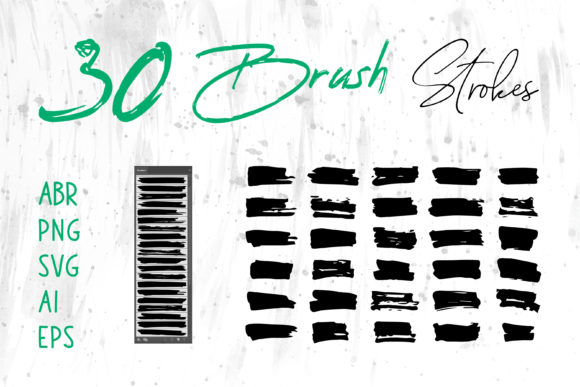
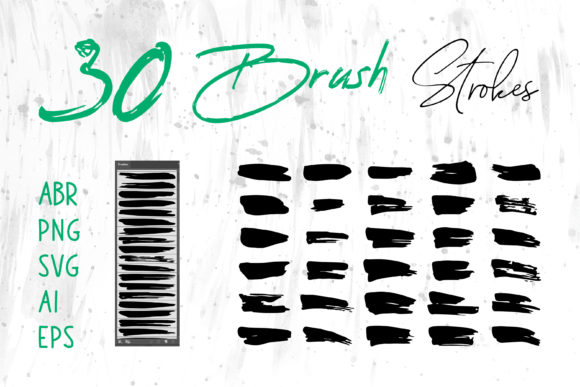
One of the most significant advantages of modern digital asset packages is their compatibility across a wide range of software ecosystems. A high-quality Watercolor Brush Collection is not limited to a single application; rather, it serves as a universal toolkit. By including files in formats such as ABR, ProCreate, PNG, SVG, AI, and EPS, these collections ensure that creators can work seamlessly regardless of their preferred platform.
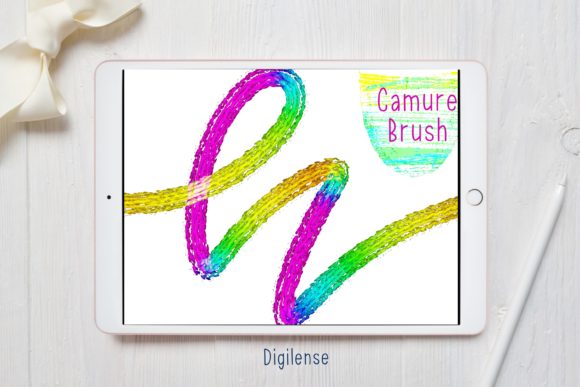
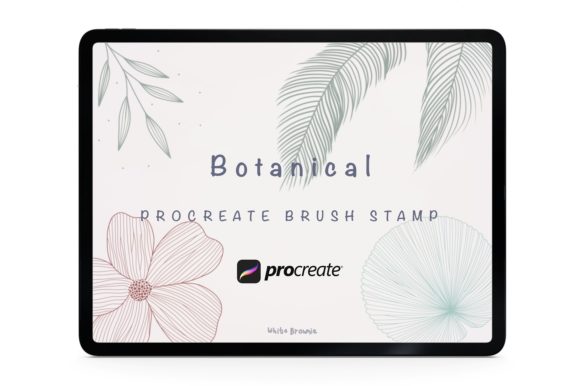
The ABR (Adobe Brush) format is specifically designed for Adobe Photoshop, allowing users to install the brushes directly into their library for immediate use. This format preserves the dynamic properties of the brush, such as pressure sensitivity, opacity flow, and texture scattering, which are crucial for achieving realistic watercolor blooms and edges. For iPad users and digital painters who prefer a more portable workflow, the inclusion of ProCreate compatible files ensures that the same artistic freedom is available on tablet devices, leveraging the Apple Pencil’s precision to mimic the tactile feel of painting on paper.
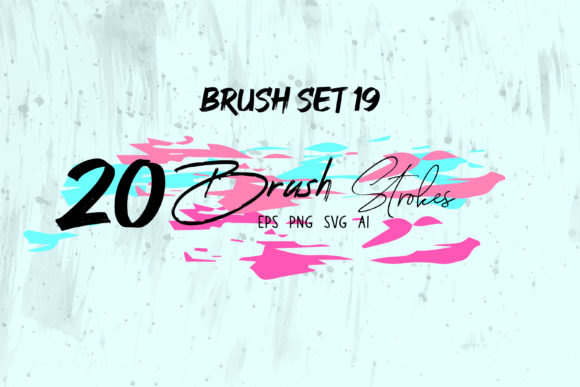
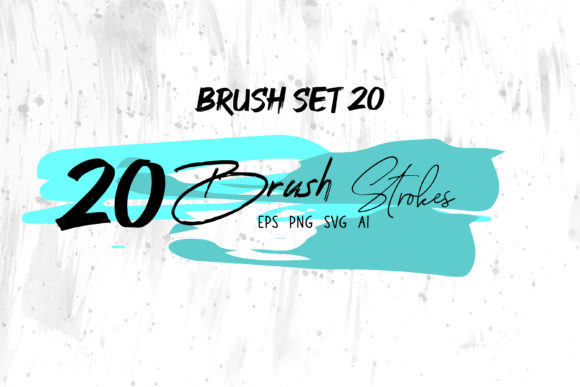
Beyond raster-based painting applications, the inclusion of vector formats like SVG, AI, and EPS opens up a new realm of possibilities for graphic designers working in Adobe Illustrator or CorelDRAW. Vector brush strokes are infinitely scalable, meaning they can be resized from a small icon to a massive billboard without any loss in quality. This is particularly important for logo design and large-format printing, where pixelation must be avoided at all costs. Additionally, PNG files with transparent backgrounds provide ready-to-use elements that can be dragged and dropped into virtually any design software, including Microsoft Word, PowerPoint, Canva, and other non-professional editing tools. This broad compatibility makes the collection an invaluable resource for educators, administrative professionals, and small business owners who may not have access to advanced design software but still require high-quality visual elements.
Applications Across Industries and Creative Projects
The utility of a comprehensive brush strokes.ai and multi-format collection extends far beyond simple illustration. Its applications are diverse, impacting various industries and creative endeavors. Here is how different users can leverage these assets:
- Branding and Logo Design: Watercolor elements add a touch of elegance, softness, and authenticity to brand identities. Businesses in the wedding, beauty, wellness, and artisanal food sectors often utilize watercolor textures to convey a sense of natural purity and handcrafted quality. The vector formats allow designers to integrate these organic shapes into clean, professional logos that remain crisp across all marketing materials.
- Packaging and Product Design: In the competitive retail landscape, packaging design plays a crucial role in consumer attraction. Watercolor brush strokes can be used to create unique background patterns, decorative borders, or featured illustrations on product labels, boxes, and bags. The ability to scale these graphics ensures they look perfect on both small cosmetic jars and large shipping containers.
- Fashion and Apparel: The fashion industry frequently draws inspiration from artistic textures. Designers can use these brush strokes to create unique prints for T-shirts, scarves, and dresses. The fluid nature of watercolor allows for vibrant, abstract designs that stand out in the crowded apparel market. Furthermore, the high-resolution PNGs can be easily applied to mockups for online stores, giving customers a realistic preview of the final product.
- Publishing and Book Covers: Authors and publishers often seek cover designs that evoke emotion and atmosphere. Watercolor backgrounds provide a dreamy, evocative backdrop for titles in genres such as romance, poetry, self-help, and fantasy. The layered transparency of watercolor effects allows text to be overlaid clearly while maintaining visual interest.
- Digital Scrapbooking and Craft Projects: For hobbyists and memory keepers, digital scrapbooking offers a convenient alternative to physical albums. Using PNG and ABR files, users can layer flowers, splashes, and textures to create personalized pages for weddings, birthdays, and travel logs. These same elements can be printed for physical craft projects, such as handmade cards, invitations, and journal decorations.
- Social Media and Web Design: In the digital marketing sphere, eye-catching visuals are paramount. Watercolor banners, post backgrounds, and story highlights can help brands maintain a cohesive and aesthetically pleasing social media presence. Web designers can use subtle watercolor textures to break up solid color blocks on websites, adding depth and warmth to user interfaces without compromising readability.
Technical Considerations for Optimal Results
To fully benefit from a Watercolor Brush Collection, users must understand the technical nuances of each file type. While the convenience of drag-and-drop PNGs is undeniable, utilizing the native brush files in software like Photoshop or ProCreate offers a higher degree of control. When using ABR or ProCreate brushes, adjusting the pressure sensitivity settings on your tablet or stylus is critical. Light pressure should yield faint, watery washes, while heavier pressure should produce saturated, bold strokes. Mimicking the behavior of real water requires practice in varying speed and angle, just as one would with a physical brush.
For those working with vector files (AI, EPS, SVG), it is important to note that while these formats are scalable, they do not always retain the complex texture gradients of raster images unless specifically designed to do so. Many modern vector watercolor brushes use mesh gradients or opacity masks to simulate the look of paint bleeding into paper. Designers should experiment with blending modes and opacity settings within Illustrator to achieve the desired level of transparency and overlap. Combining vector shapes with raster textures can often yield the best results, providing the scalability of vectors with the organic feel of traditional media.
Color management is another vital aspect. Watercolor is known for its translucency and the way colors mix on the page. When working digitally, using layers with "Multiply" or "Overlay" blending modes can replicate this effect. Instead of simply placing one color over another, allowing the underlying layers to show through creates depth and realism. Users should also consider the color profile of their project; RGB is ideal for screen-based designs like social media banners and websites, while CMYK is necessary for print materials such as book covers, packaging, and business cards to ensure accurate color reproduction.
Enhancing Workflow Efficiency
Incorporating a pre-made Watercolor Brush Collection into your workflow can significantly reduce production time. Creating realistic watercolor effects from scratch requires advanced technical skills and considerable time investment. By utilizing high-quality include files, designers can focus on composition and concept rather than getting bogged down in texture creation. This efficiency is particularly beneficial for agencies and freelancers working under tight deadlines. The ability to quickly generate consistent styles across multiple projects helps maintain brand coherence and professional standards.
Moreover, the adaptability of these files supports iterative design processes. A designer can start with a rough sketch using basic brush strokes, refine the shape using vector tools, and then add detailed textures using high-resolution PNGs. This hybrid approach leverages the strengths of each file format, resulting in a polished final product that retains the charm of hand-painted art while meeting the rigorous standards of commercial design. Whether you are creating a delicate floral invitation or a bold abstract background for a corporate presentation, the right tools empower you to execute your vision with precision and creativity.
Ultimately, the value of a comprehensive digital brush set lies in its ability to bridge the gap between traditional artistic expression and modern digital convenience. By offering a wide array of formats and ensuring compatibility with industry-standard software, these collections democratize access to high-end design resources. They enable users of all skill levels to produce professional-grade work, fostering creativity and innovation across diverse fields. As digital continues to dominate the visual landscape, mastering these tools becomes not just an advantage, but a necessity for anyone looking to make a lasting impression through their designs.